Here’s a fun fact to ruin your next shower: scientists from the Belly Button Biodiversity Project swabbed the navels of just 60 volunteers and found an astonishing 2,368 different species of bacteria. Some of those species had previously only been found in soil from Japan and in thermal vents deep in the ocean. Living. In. People’s. Belly. Buttons.
But your navel isn’t the only bacterial hotspot on your body. Right now, as you read this, roughly 38 trillion bacteria are living on and inside you — actually outnumbering your own human cells. Most of them are harmless or even helpful. But some areas of your body are basically microbial megacities, hosting way more germs than you’d ever want to know about.
Ready to find out which parts of your body are secretly the dirtiest? Let’s count down the top 5 — from mildly gross to genuinely shocking.
#5: Behind Your Ears
You probably don’t think much about the area behind your ears when you shower. And that’s exactly the problem.
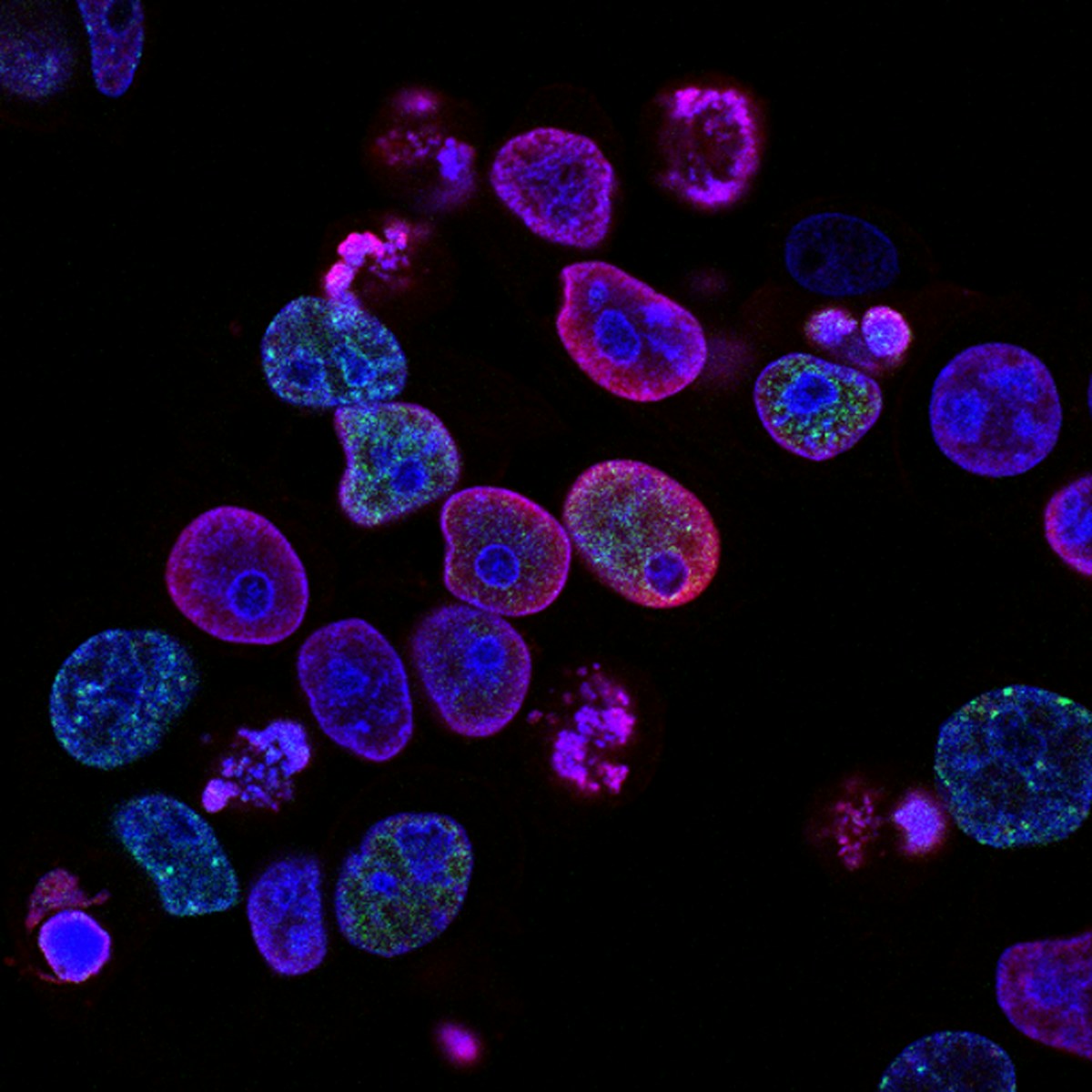
The skin behind your ears is rich in sebaceous glands — tiny oil-producing factories that create a warm, moist, nutrient-rich environment. In other words, it’s a bacterial paradise. This area accumulates sweat, dead skin cells, and sebum (skin oil), creating a biofilm that bacteria absolutely love.
Studies have found that the postauricular region (the scientific term for “behind your ears”) is one of the most microbially diverse areas on your body. It’s home to a thriving community of Staphylococcus, Corynebacterium, and Propionibacterium species. And because most people barely wash this area, the bacterial populations have plenty of time to grow unchecked.
Ever noticed that slightly funky smell behind your ears? That’s bacterial metabolic byproducts — literally the waste products of millions of microorganisms having a party on your skin. You’re welcome for that image.

#4: Under Your Fingernails
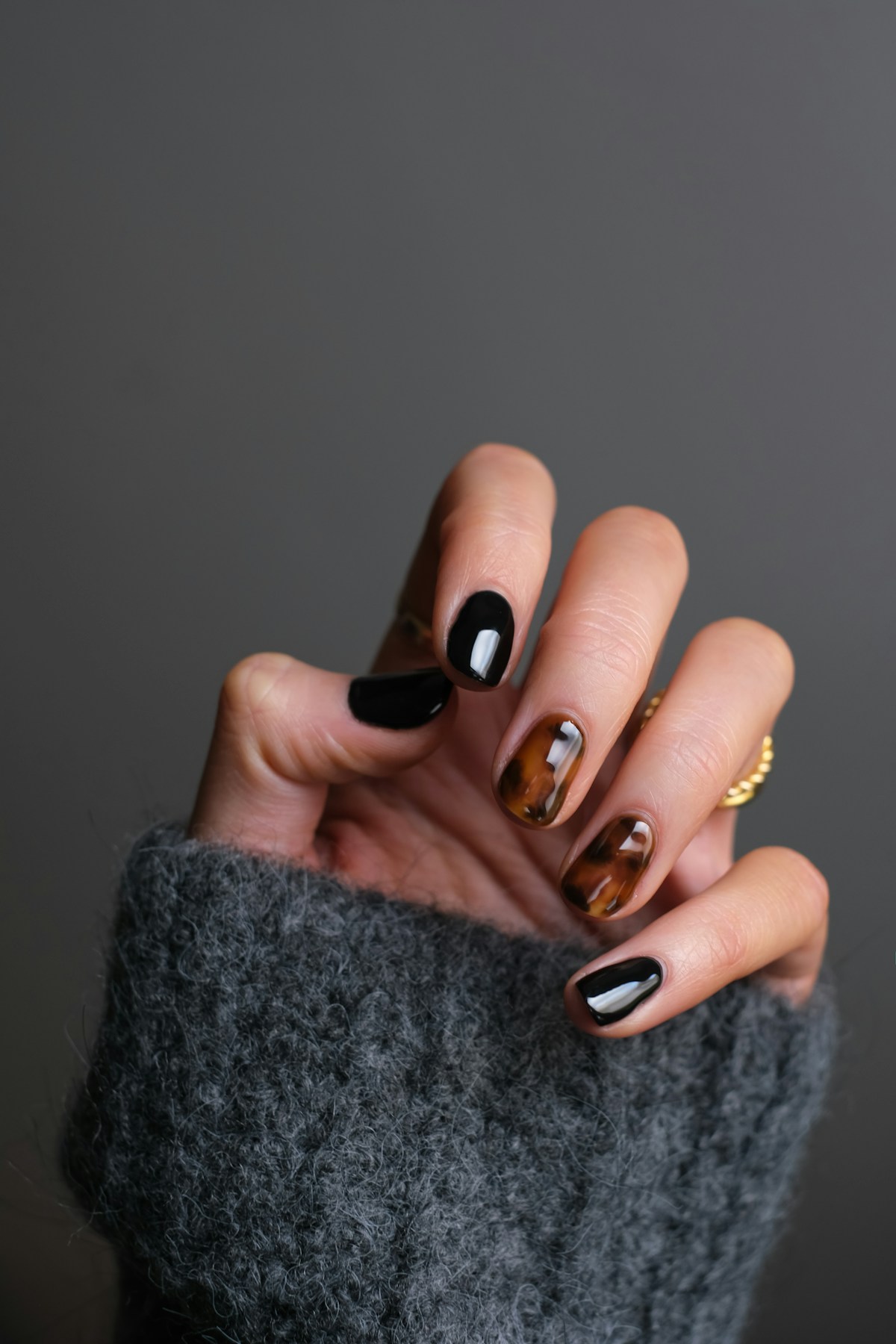
Your fingernails are basically petri dishes that you carry around all day. The subungual space — the area under your nails — is one of the most contaminated parts of your body.
A study published in the Journal of Clinical Microbiology found that the area under fingernails harbors significantly more bacteria than any other part of the hand. Researchers at the University of Pennsylvania found that even after thorough handwashing, bacteria under the nails often survive. The nail creates a protective shield that makes it incredibly hard for soap and water to reach the microbes underneath.
What’s living under there? Staphylococcus aureus, E. coli, Klebsiella, and even Candida yeast. Longer nails trap even more bacteria — one study found that healthcare workers with nails longer than 3mm had 30 times more bacteria than those with shorter nails.
This is actually why surgeons are required to keep their nails extremely short and scrub under them with special brushes before operating. If a surgeon wouldn’t operate with your fingernails, maybe it’s time to grab a nail brush.
#3: Between Your Toes
If you’ve ever peeled off your socks after a long day and been hit by an… aroma, you already know this one. The spaces between your toes are a microbiological wonderland — and not in a good way.
Your feet have over 250,000 sweat glands — more per square centimeter than any other part of your body. When you trap all that moisture inside socks and shoes, you create a warm, dark, damp environment that bacteria and fungi adore. The dominant bacterium in this area, Brevibacterium linens, is actually the same species used to ripen Limburger cheese. Yes, your toe funk and stinky cheese share the same microbe.
But it’s not just bacteria. The spaces between your toes are also prime real estate for dermatophyte fungi — the organisms responsible for athlete’s foot. About 15–25% of the global population is infected with dermatophytes at any given time.
A 2012 study from the National Human Genome Research Institute found that the spaces between your toes host the most diverse fungal communities on the entire body — far more diverse than those on the forearm, palm, or even the groin.
#2: Your Mouth
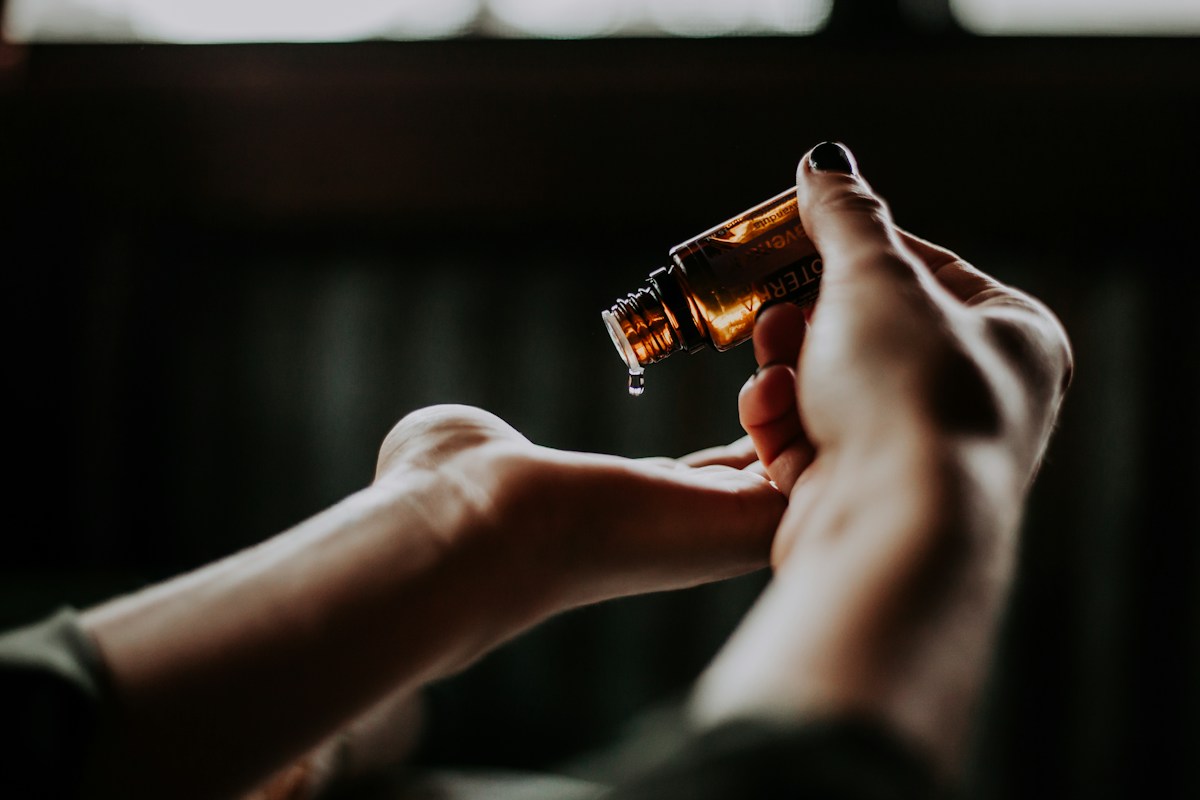
Your mouth is one of the most bacteria-dense ecosystems on Earth. No exaggeration.
The Human Oral Microbiome Database has cataloged over 700 different species of bacteria that can live in the human mouth. At any given moment, you’re carrying around 20 billion individual bacteria in there, and they reproduce every 5 hours. Do the math on that and try not to think about it too hard.
Your tongue alone — particularly the back portion — is coated in a thick biofilm that shelters anaerobic bacteria (the kind that don’t need oxygen). These are the main culprits behind bad breath. Your gum line, the spaces between your teeth, and the insides of your cheeks all have their own unique microbial neighborhoods.
But here’s the thing: most of these bacteria are actually your allies. They help break down food, protect against pathogens, and contribute to your immune system. It’s when the balance gets disrupted — through poor hygiene or too much sugar — that harmful species like Streptococcus mutans (cavities) and Porphyromonas gingivalis (gum disease) take over.
Fun fact: every time you kiss someone, you exchange about 80 million bacteria in a 10-second kiss. Romance is beautiful.
#1: Your Belly Button — The Ultimate Bacterial Jungle
And now, the moment you’ve been waiting for. Your belly button takes the crown as the most unexpectedly disgusting spot on your body.
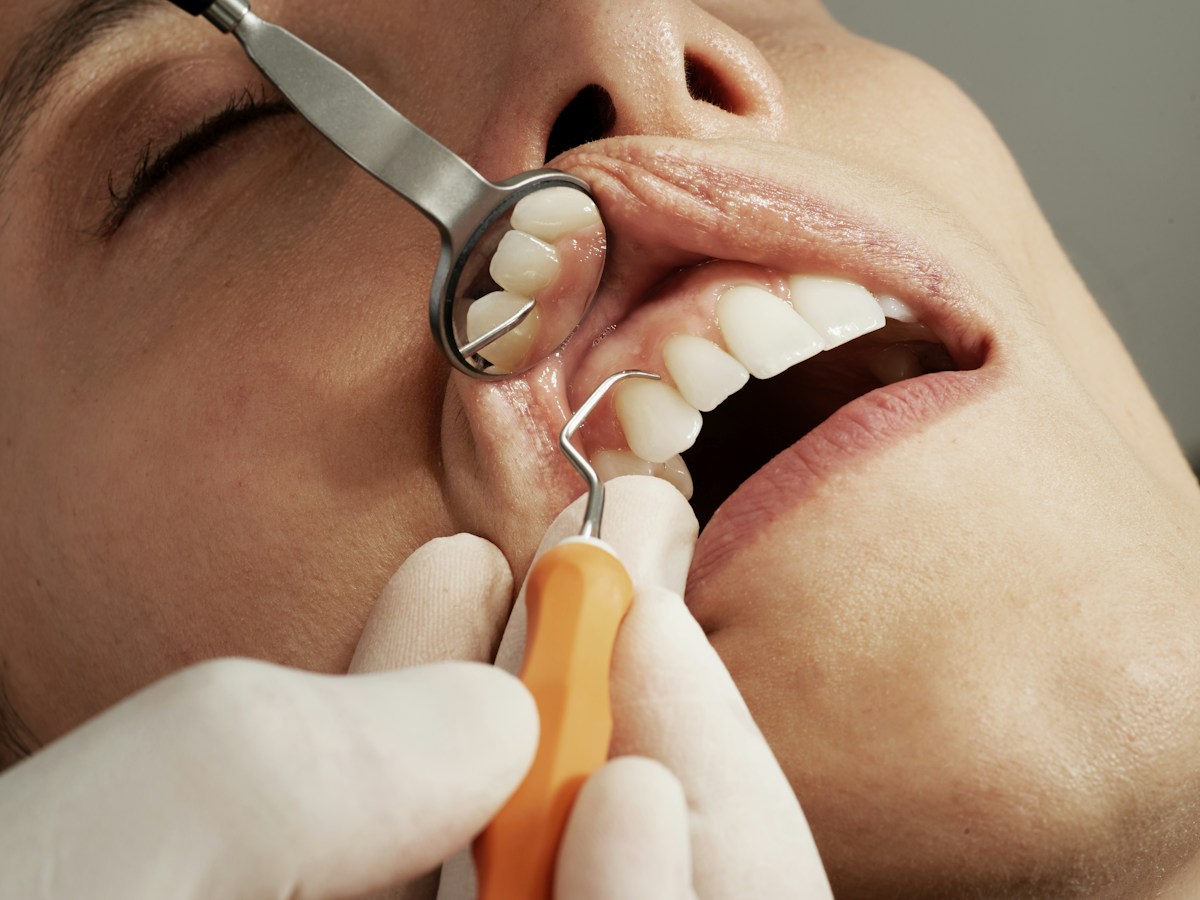
In 2012, researchers at North Carolina State University launched the Belly Button Biodiversity Project — one of the most entertaining (and revolting) studies in microbiology. They swabbed the navels of 60 volunteers and used genetic sequencing to identify every bacterial species living inside.
The results were staggering: 2,368 different species of bacteria. Of these, 1,458 species were potentially new to science. Some volunteers harbored bacteria previously found only in extreme environments — like thermal vents in the Pacific Ocean, ice caps in Antarctica, and soil samples from Japan.
One participant who hadn’t washed in years was found to host two species of archaea — ancient microorganisms typically found in extreme environments, not on human bodies. Another volunteer’s belly button contained bacteria normally found in marine sediment.
Why is the belly button such a bacterial paradise? First, it’s a perfect microenvironment — warm, moist, dark, and sheltered from soap during most showers. Especially “innie” belly buttons create deep folds where bacteria thrive without disturbance. Second, most people simply don’t clean their belly buttons. Be honest — when was the last time you deliberately washed inside your navel?
The project also found that each person’s belly button microbiome is remarkably unique — like a bacterial fingerprint. No two participants shared the same combination of species.

Bonus Facts That’ll Make You Reach for Soap
- Your body is home to approximately 38 trillion bacteria — slightly more than your 30 trillion human cells
- The average smartphone screen has 10 times more bacteria than a toilet seat
- Your kitchen sponge is the dirtiest item in your house, harboring up to 362 different species of bacteria
- Staphylococcus epidermidis, found on nearly every human’s skin, is actually protective — it fights off harmful invaders
- Babies are born essentially sterile and acquire their first microbiome during birth and through breast milk
- The total weight of all bacteria in your body is about 1–2 kg (2–4 pounds)
The Bottom Line
So there you have it — the top 5 dirtiest spots on your body, from behind your ears to the bacterial jungle in your belly button. But before you reach for the industrial-strength sanitizer, remember this: most of these bacteria are your friends. They protect your skin, aid your digestion, train your immune system, and keep harmful pathogens at bay.
The human microbiome is one of the most fascinating frontiers in modern science. Those 38 trillion bacteria aren’t invaders — they’re roommates. And honestly, they’ve been doing a pretty good job keeping you alive.
Just… maybe give your belly button a little extra attention next time you shower. Just saying.
Sources
- Hulcr, J. et al. (2012). “A Jungle in There: Bacteria in Belly Buttons.” PLOS ONE, 7(11), e47712.
- Sender, R., Fuchs, S., & Milo, R. (2016). “Revised estimates for the number of human and bacteria cells in the body.” Cell, 164(3), 337-340.
- Findley, K. et al. (2013). “Topographic diversity of fungal and bacterial communities in human skin.” Nature, 498, 367-370.
- Dewhirst, F.E. et al. (2010). “The Human Oral Microbiome.” Journal of Bacteriology, 192(19), 5002-5017.
- McGinley, K.J. et al. (1988). “Regional variations in density of cutaneous propionibacteria and corynebacteria.” Journal of Clinical Microbiology, 26(11), 2236-2239.