You lace up your sneakers, press play on your workout playlist, and start moving. Simple enough, right? But behind the scenes, your body is launching one of the most complex biochemical operations imaginable. We’re talking thousands of chemical reactions, organs shifting into overdrive, and your cells literally transforming — all within the first few minutes of exercise.
Whether you’re hitting the gym, going for a jog, or doing yoga in your living room, your body is performing miracles you never see. Today, we’re pulling back the curtain on what really goes down inside you when you work out. Spoiler alert: it’s way cooler than you ever imagined, and by the end of this article, you might actually want to go exercise. No promises, though.

1. Your Brain Unleashes a Chemical Cocktail of Pure Happiness

Within just 10 minutes of exercise, your brain starts flooding your system with an incredible mix of feel-good chemicals. We’re talking endorphins, serotonin, dopamine, and norepinephrine — basically your body’s own version of a happiness prescription, completely free of charge.
Endorphins are the headliners here. These natural painkillers bind to the same receptors as morphine, which is why intense exercise can produce what runners famously call “runner’s high” — that euphoric, almost invincible feeling where everything just clicks. But it’s not just endorphins doing the heavy lifting. Dopamine, your brain’s reward chemical, surges during exercise, giving you that satisfying sense of accomplishment. Serotonin levels rise too, which is why regular exercise is consistently shown to be as effective as antidepressants for mild to moderate depression.
Here’s the really wild part: these effects aren’t temporary. Regular exercise literally rewires your brain’s chemistry over time. Studies show that consistent physical activity increases the density of dopamine receptors, meaning your brain becomes better at experiencing pleasure and motivation in everyday life. Your workout isn’t just making you feel good right now — it’s upgrading your brain’s entire happiness hardware.
2. Your Heart Goes Into Absolute Beast Mode

At rest, your heart pumps about 5 liters of blood per minute. But the moment you start exercising, everything changes. Within seconds, your heart rate can jump from a resting 60-80 beats per minute to 150, 170, or even over 200 during intense activity. That’s your heart literally tripling its workload in a matter of moments.
During vigorous exercise, your heart can pump up to 25-30 liters of blood per minute — that’s nearly six times its resting output. Your blood vessels dilate, your blood pressure adjusts, and your circulatory system redirects blood flow away from non-essential organs (sorry, digestive system) and toward your working muscles, which can receive up to 80% of your total blood flow during peak exercise.
And here’s the long-term magic: your heart is a muscle, and like any muscle, it gets stronger with training. Regular cardiovascular exercise causes your heart to grow slightly larger and significantly more efficient. A trained athlete’s heart can pump the same amount of blood with fewer beats, which is why elite endurance athletes often have resting heart rates in the 40s or even 30s. Every workout is literally making your heart better at its one and only job — keeping you alive.
3. Your Muscles Are Literally Tearing Themselves Apart (On Purpose)
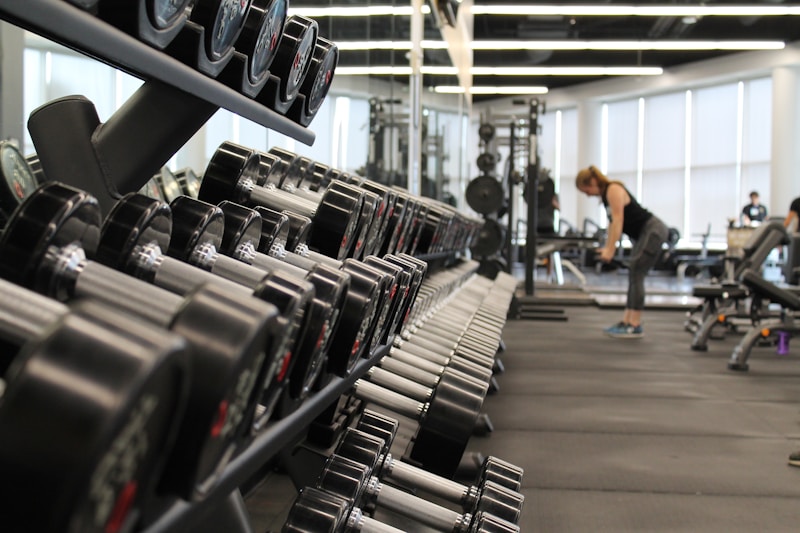
This one sounds terrifying, but it’s actually beautiful: every time you lift weights, do push-ups, or really challenge your muscles, you’re creating thousands of microscopic tears in your muscle fibers. These aren’t injuries — they’re invitations for growth.
After your workout, your body kicks its repair system into high gear. Satellite cells rush to the damaged fibers and start fusing them back together, making them thicker, denser, and stronger than before. This process is called muscle hypertrophy, and it’s the fundamental reason you get stronger over time. Your body is essentially going: “Oh, that was hard? Let me rebuild these muscles so it’s easier next time.” It’s biological engineering at its absolute finest.
This repair process is also why rest days are just as important as workout days. Your muscles don’t actually grow while you’re exercising — they grow while you’re recovering. During sleep, your body releases growth hormone, which accelerates muscle repair and protein synthesis. So the next time someone tells you rest days are lazy, remind them that their muscles are literally under construction. No hard hats required, but recovery is non-negotiable.
4. Your Body Becomes a Fat-Burning Machine (Even After You Stop)

During exercise, your body needs fuel — and lots of it. For the first 20-30 minutes, your body primarily burns glycogen, the sugar stored in your muscles and liver. But once those reserves start running low, your body shifts gears and starts tapping into stored fat for energy. This metabolic switch is one of the key reasons exercise is so effective for weight management.
But here’s the truly amazing part: the calorie-burning doesn’t stop when your workout ends. Thanks to a phenomenon called excess post-exercise oxygen consumption (EPOC) — also known as the “afterburn effect” — your metabolism stays elevated for hours after intense exercise. Your body is working overtime to repair muscle tissue, replenish energy stores, and return to its normal state, burning additional calories the entire time. Some studies show this effect can last up to 48 hours after a particularly intense session.
Regular exercise also fundamentally changes your metabolism at the cellular level. It increases the number and efficiency of your mitochondria — the tiny powerhouses inside every cell that convert nutrients into energy. More mitochondria means more efficient energy production, which means your body becomes better at burning fat and generating energy even when you’re doing absolutely nothing. You’re literally upgrading your body’s engine.
5. Your Immune System Gets a Serious Power-Up

Every time you exercise, your immune system gets a significant boost. Moderate physical activity increases the circulation of immune cells by up to 300%, including natural killer cells, T-cells, and immunoglobulins — the body’s front-line defenders against bacteria, viruses, and even cancer cells.
During exercise, the increase in blood flow and body temperature helps immune cells move more freely throughout your body, essentially conducting a more thorough “patrol” for potential threats. Think of it as your immune system going from casual neighborhood watch to full-scale surveillance mode. Research consistently shows that people who exercise regularly catch fewer colds, recover faster from illness, and have lower rates of chronic disease.
There’s an important caveat, though: moderation is key. While regular moderate exercise strengthens your immune system, extremely intense or prolonged exercise without adequate recovery can actually temporarily suppress immune function. This is known as the “open window” theory — the period after ultra-intense exercise when you’re slightly more vulnerable to infection. The sweet spot? About 150-300 minutes of moderate exercise per week, according to the WHO. Enough to power up your immune system without overwhelming it.
Bonus Facts That Will Make You Want to Move Right Now
- Exercise literally grows new brain cells. A process called neurogenesis occurs in the hippocampus during aerobic exercise, creating brand new neurons that improve memory, learning, and cognitive function. Your brain is getting a hardware upgrade every time you go for a run.
- A single workout can improve your mood for up to 12 hours. Even just 20 minutes of moderate activity triggers chemical changes that reduce anxiety and boost emotional well-being for the rest of the day. That’s a pretty incredible return on a 20-minute investment.
Final Thoughts
Exercise isn’t just about looking good or hitting fitness goals — it’s about giving your body the chance to do what it was literally designed to do. Every single system in your body, from your brain to your bones, from your heart to your immune cells, responds powerfully and positively to physical activity. The science is clear, consistent, and honestly pretty mind-blowing.
You don’t need to run marathons or deadlift twice your bodyweight. A brisk 30-minute walk, a dance session in your kitchen, or a quick bodyweight workout in your living room — your body will reward you with a cascade of benefits that go far beyond what you can see in the mirror. So get moving. Your 37 trillion cells are counting on you.
Sources
- Harvard Medical School — The Science of Exercise and the Brain
- American Heart Association — How Exercise Strengthens Your Heart
- National Institutes of Health — Exercise and Immune Function
- Journal of Applied Physiology — Muscle Hypertrophy and Recovery
- Mayo Clinic — Exercise: The Metabolism Boost You Need