You walk into a pharmacy or scroll through Amazon looking for a probiotic, and suddenly you’re drowning in options. Lactobacillus this. Bifidobacterium that. Billions of CFUs. Seventeen different strains. It feels like you need a PhD in microbiology just to buy a supplement.
Here’s the thing: these two names — Lactobacillus and Bifidobacterium — aren’t just fancy Latin. They’re fundamentally different types of bacteria that do different things in different parts of your gut. Choosing the wrong one isn’t dangerous, but choosing the right one? That can make a real difference.
Let’s break down what each one actually does, where it lives, and which one YOUR gut probably needs.
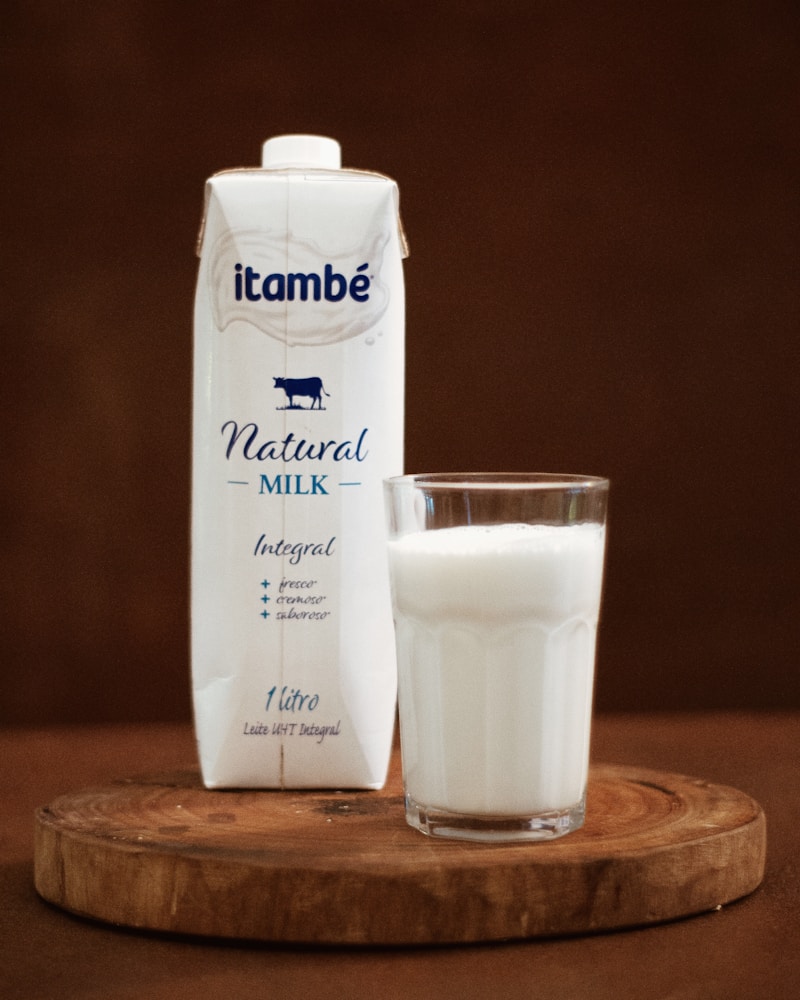
1. Lactobacillus — The Small Intestine Specialist
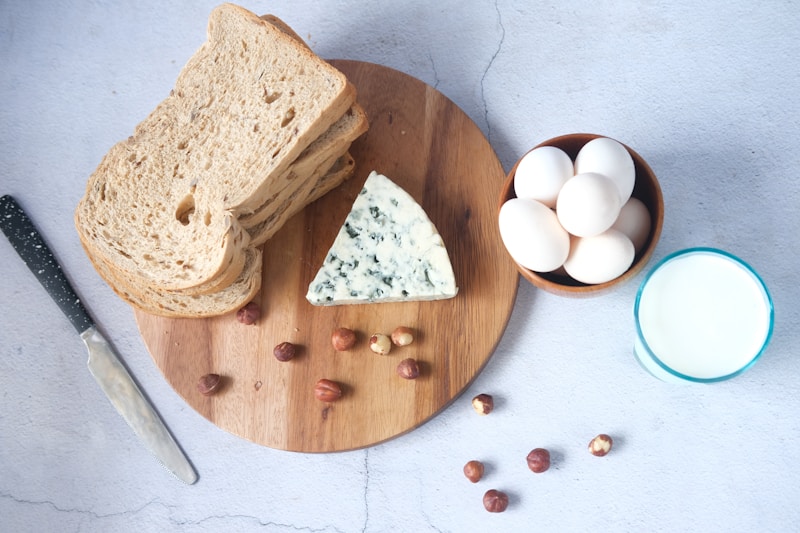
Lactobacillus is probably the most famous probiotic genus on the planet. It’s the one in your yogurt, your kimchi, your sauerkraut, and basically every fermented food humans have been eating for thousands of years.
Where it lives: Mainly in the small intestine and the vaginal tract. The small intestine is where most nutrient absorption happens, and Lactobacillus plays a key role in keeping that environment healthy.
What it does:
- Produces lactic acid, which lowers the pH of your gut and makes it hostile to harmful bacteria
- Helps break down lactose — making it a game-changer for people with lactose intolerance
- Supports the immune system by strengthening the gut lining
- Produces enzymes that help digest food more efficiently
Star strains: L. acidophilus (digestive health MVP), L. rhamnosus (immune support and diarrhea prevention), L. plantarum (reduces bloating and IBS symptoms), and L. reuteri (oral and vaginal health).
Think of Lactobacillus as your gut’s frontline defender. It sets up camp early in the digestive tract and creates an environment where good bacteria thrive and bad bacteria struggle.
2. Bifidobacterium — The Large Intestine Guardian
Bifidobacterium is the quiet powerhouse that doesn’t get as much marketing love but is arguably just as important — maybe more so.
Where it lives: Primarily in the large intestine (colon). This is where water is absorbed, waste is processed, and a massive amount of your immune system operates. Bifidobacterium is the dominant genus here.
Fun fact: Bifidobacterium makes up about 90% of the gut bacteria in healthy breastfed infants. It’s literally the first good bacterium that colonizes a newborn’s gut. As we age, Bifidobacterium levels naturally decline — which is one reason why digestive issues increase as we get older.
What it does:
- Produces short-chain fatty acids (SCFAs) like acetate and lactate, which feed colon cells and reduce inflammation
- Fights off pathogens in the colon by competing for space and nutrients
- Helps regulate bowel movements — especially effective against constipation
- Supports immune function by interacting with gut-associated lymphoid tissue (GALT)
Star strains: B. longum (overall gut health and anti-inflammatory), B. lactis (immune booster, great for older adults), B. breve (helps with skin conditions and infant gut health), and B. bifidum (strengthens the gut barrier).
If Lactobacillus is the frontline defender, Bifidobacterium is the deep operations commander — working in the back end of your gut where some of the most critical health processes happen.
3. The Key Differences at a Glance

Let’s put them side by side:
Location: Lactobacillus dominates the small intestine. Bifidobacterium dominates the large intestine.
Primary function: Lactobacillus excels at breaking down food, producing lactic acid, and fighting pathogens early in digestion. Bifidobacterium specializes in producing SCFAs, regulating bowel movements, and managing colon health.
Food sources: Lactobacillus is abundant in fermented foods like yogurt, kimchi, kefir, and sauerkraut. Bifidobacterium is harder to get from food — it’s found in some yogurts and fermented milk, but supplementation is often more reliable.
Age factor: Bifidobacterium levels drop significantly with age, making supplementation increasingly important as you get older. Lactobacillus levels are more stable throughout life.
Best for: Lactobacillus is your go-to for diarrhea, lactose intolerance, vaginal health, and upper digestive issues. Bifidobacterium is your go-to for constipation, immune support, inflammation, and overall colon health.
4. Which One Should YOU Choose?

Here’s a practical cheat sheet based on what you’re dealing with:
Choose Lactobacillus if:
- You frequently get diarrhea (especially traveler’s diarrhea or antibiotic-associated)
- You’re lactose intolerant and want to tolerate dairy better
- You deal with bloating, gas, or IBS-D (diarrhea-predominant IBS)
- You want to support vaginal or urinary tract health
Choose Bifidobacterium if:
- You struggle with constipation or irregular bowel movements
- You’re over 50 and want to replenish declining gut bacteria
- You want to reduce inflammation or support immune function
- You have skin issues like eczema (B. breve has shown promise in studies)
Not sure? That brings us to the best answer for most people…
5. The Best Answer: Take Both

Here’s what most gastroenterologists will tell you: for general gut health, a multi-strain probiotic that contains BOTH Lactobacillus and Bifidobacterium is usually the smartest choice.
Why? Because your gut isn’t just a small intestine OR a large intestine — it’s a 30-foot ecosystem where both regions need support. A diverse microbiome is a healthy microbiome, and diversity means having strong populations of both genera.
What to look for in a quality probiotic:
- Multiple strains from both Lactobacillus and Bifidobacterium
- At least 10-20 billion CFUs (colony-forming units) per dose
- Delayed-release or enteric-coated capsules (so bacteria survive stomach acid)
- Third-party tested for potency and purity
And don’t forget prebiotics — the fiber that feeds your probiotics. Foods like garlic, onions, bananas, oats, and asparagus are prebiotic superstars. Probiotics are the soldiers; prebiotics are the food supply. You need both.
Bonus Fact
Your gut contains roughly 38 trillion bacteria — that’s more bacterial cells than human cells in your entire body. And Lactobacillus and Bifidobacterium together make up less than 10% of that population. But here’s the wild part: that small percentage has a disproportionately massive impact on your digestion, immunity, mood, and even body weight. It’s like how a tiny thermostat controls the temperature of an entire building.
The Bottom Line
Lactobacillus and Bifidobacterium aren’t competitors — they’re teammates that play different positions. Lactobacillus holds down the small intestine with lactic acid, enzyme production, and pathogen defense. Bifidobacterium manages the large intestine with SCFAs, bowel regulation, and immune support.
If you have a specific issue, pick the one that matches. If you just want a healthier gut overall, go with a combo product that covers both. And whatever you choose, pair it with prebiotic-rich foods and a balanced diet.
Your gut bacteria are working around the clock to keep you healthy. The least you can do is send them the right reinforcements.
Sources
- Hill, C. et al. (2014). The International Scientific Association for Probiotics and Prebiotics consensus statement on the scope and appropriate use of the term probiotic. Nature Reviews Gastroenterology & Hepatology, 11(8).
- O’Callaghan, A. & van Sinderen, D. (2016). Bifidobacteria and their role as members of the human gut microbiota. Frontiers in Microbiology, 7.
- Sanders, M.E. et al. (2019). Probiotics and prebiotics in intestinal health and disease. Nature Reviews Gastroenterology & Hepatology, 16(10).
- Sender, R. et al. (2016). Revised estimates for the number of human and bacteria cells in the body. Cell, 164(3).