You just finished a big, satisfying dinner. Steak, pasta, maybe some bread on the side. And then someone brings out a gorgeous fruit platter — watermelon, pineapple, grapes, the works. You grab a few pieces thinking, “Hey, at least I’m ending on a healthy note.”
But what if that “healthy” move is actually doing more harm than good?
The idea that eating fruit right after a meal can be harmful has been floating around for years, and it turns out there’s real science behind the concern. Let’s break down exactly what happens inside your body when you eat fruit for dessert — and why the timing of when you eat fruit might matter way more than you think.
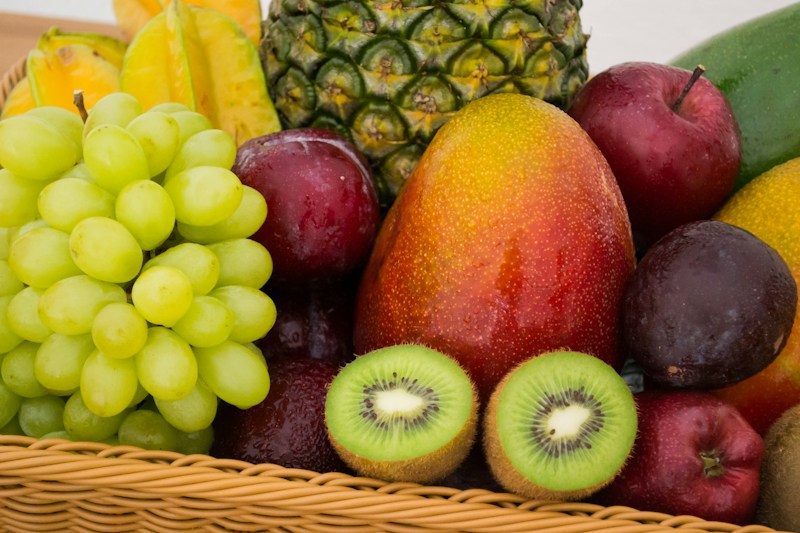
1. The Fermentation Problem: Fruit Gets Stuck in Traffic
Here’s the core issue. Fruit digests fast — really fast. Most fruits pass through your stomach in about 20 to 30 minutes. But a heavy meal with protein, fats, and carbs? That takes 2 to 4 hours to break down.
When you eat fruit on top of a big meal, the fruit can’t move through quickly. It literally sits on top of the slower-digesting food and starts to ferment.
Fermentation in your stomach produces gas, which leads to bloating, discomfort, and that uncomfortable “food baby” feeling. If you’ve ever felt weirdly gassy after a meal that ended with fruit, this is likely why.
- Fruit digestion time: 20–30 minutes
- Heavy meal digestion time: 2–4 hours
- Result when combined: fruit ferments while waiting
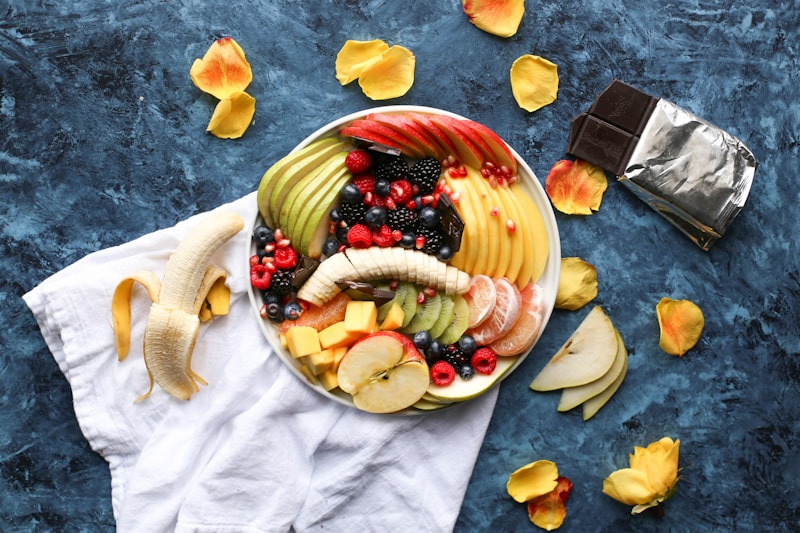
2. The Blood Sugar Roller Coaster
Fruit contains natural sugars — fructose and glucose. When you eat fruit on an empty stomach, your body handles these sugars efficiently. The fiber in fruit slows absorption, giving you a steady energy release.
But after a big meal, your body is already processing a flood of nutrients. Adding fruit sugar on top creates a spike in blood glucose that your insulin has to scramble to manage.
This is especially concerning for people with insulin resistance, prediabetes, or type 2 diabetes. A 2020 study in the Journal of Clinical Endocrinology found that post-meal fruit consumption caused significantly higher glucose spikes compared to eating the same fruit 30 minutes before a meal.
The sugar roller coaster doesn’t just affect your blood — it messes with your energy levels too. That post-meal crash? Fruit dessert might be making it worse.
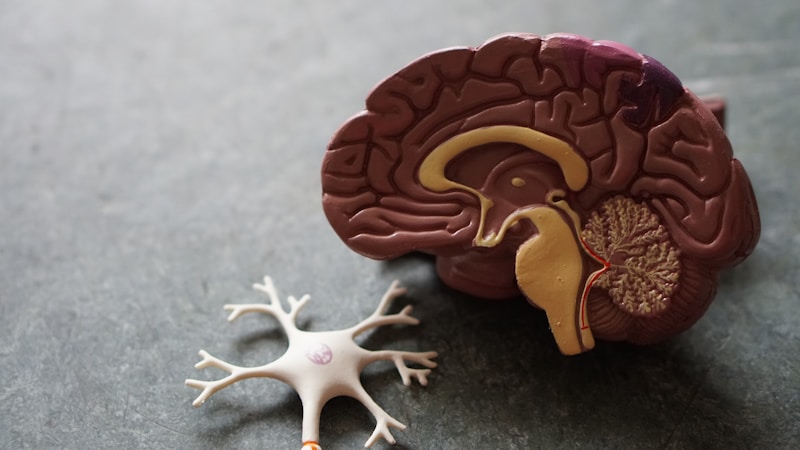
3. Nutrient Absorption Gets Sabotaged
Fruits are packed with vitamins, minerals, and antioxidants. But to actually absorb these nutrients, your body needs the right conditions — and a stomach already working overtime on steak and potatoes is NOT the right condition.
When fruit is eaten after a heavy meal, the acidic environment changes, and many of the delicate nutrients in fruit get degraded before your body can absorb them.
- Vitamin C is highly sensitive to stomach acid changes and heat from digestion
- Fruit enzymes like bromelain (pineapple) and papain (papaya) get deactivated
- Polyphenols and antioxidants bind to proteins from your meal, reducing their bioavailability
So ironically, eating fruit as dessert might mean you’re getting LESS nutrition from it than if you’d eaten it separately.
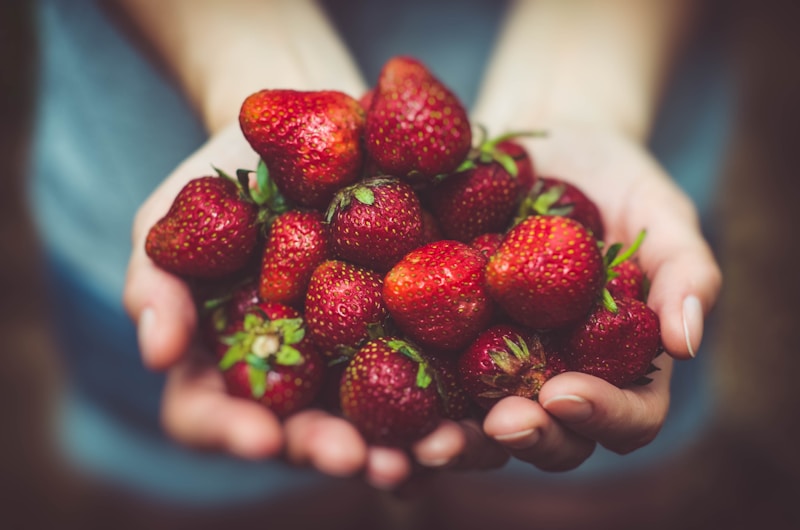
4. The Acid Reflux Connection
If you deal with acid reflux or GERD, eating fruit after meals is especially problematic. Citrus fruits, pineapple, and even berries are acidic. When your stomach is already full, adding acidic fruit increases the pressure on your lower esophageal sphincter (LES).
This extra pressure can force stomach acid back up into your esophagus, causing that burning sensation we call heartburn.
A 2019 study published in Gastroenterology Research found that participants who ate citrus fruits within 30 minutes after a meal had a 40% higher incidence of reflux symptoms compared to those who waited at least 2 hours.
Even “mild” fruits like bananas and melons can contribute to reflux when piled on top of a full stomach, simply because of the added volume and pressure.
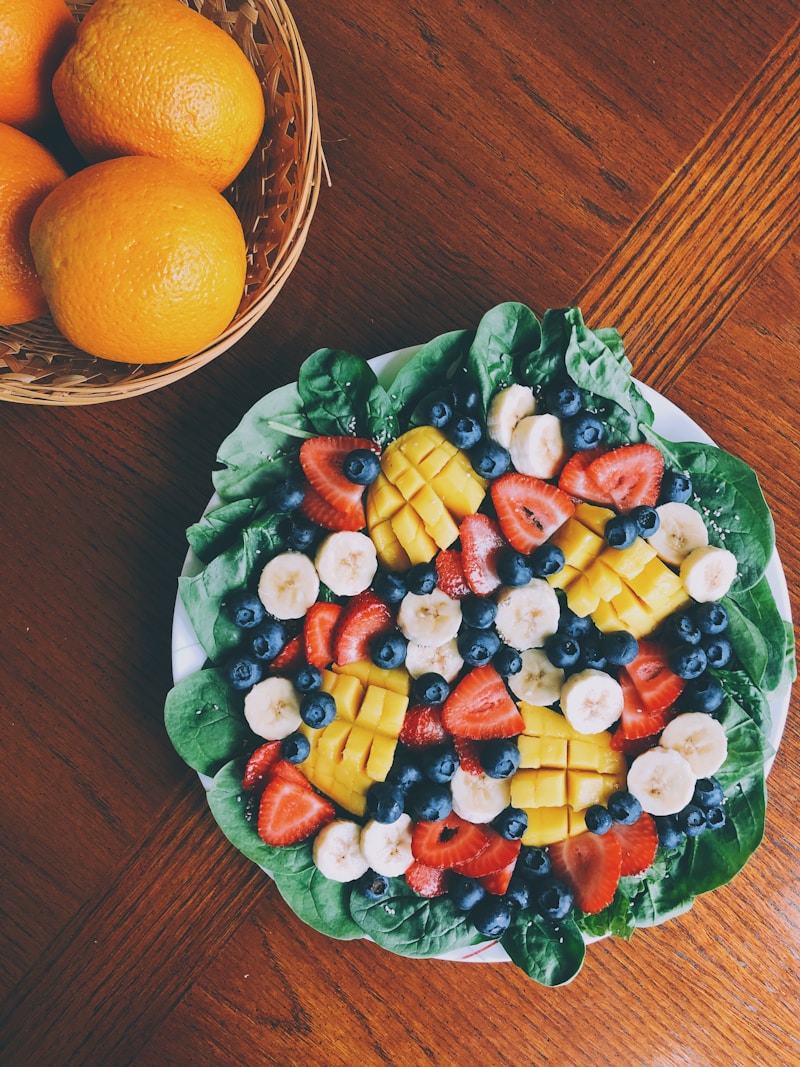
5. So When SHOULD You Eat Fruit?
The good news is that fruit itself isn’t the enemy — the timing is. Here’s what nutrition experts recommend:
- 30 minutes BEFORE a meal: This gives fruit time to digest and actually helps prepare your digestive system for the bigger meal ahead.
- As a standalone snack: Eat fruit between meals (at least 1–2 hours after your last meal) for maximum nutrient absorption.
- First thing in the morning: Your stomach is empty and ready to process fruit quickly and efficiently.
- If you MUST have fruit after dinner: Wait at least 1–2 hours. Choose low-sugar options like berries, and keep the portion small.
The ideal fruit-eating window is on an empty or near-empty stomach. This ensures fast digestion, maximum nutrient absorption, and zero fermentation drama.
🌟 Bonus Facts
- In Ayurvedic medicine, fruit has been recommended on an empty stomach for over 3,000 years
- Pineapple and papaya actually AID digestion when eaten BEFORE a protein-heavy meal (their enzymes break down protein)
- The French traditionally eat cheese after dinner, not fruit — partly because they noticed fruit caused digestive issues
- Watermelon is the WORST post-meal fruit because it’s 92% water and ferments the fastest
- Bananas are the safest post-meal fruit if you can’t wait, because they’re low-acid and relatively easy to digest
The Bottom Line
Eating fruit is one of the best things you can do for your health. But WHEN you eat it matters almost as much as WHAT you eat.
The simple rule: Eat fruit on an empty stomach or at least 1–2 hours away from heavy meals. Your gut, your energy levels, and your nutrient absorption will all thank you.
So next time someone offers you a fruit platter after a big dinner, maybe say “I’ll save it for later.” Your stomach will be grateful.
📚 Sources
- Journal of Clinical Endocrinology — Post-meal fruit consumption and glucose response (2020)
- Gastroenterology Research — Citrus fruit and acid reflux timing study (2019)
- British Journal of Nutrition — Fruit fermentation in the upper GI tract (2018)
- American Journal of Clinical Nutrition — Nutrient bioavailability and meal timing (2021)
- National Institute of Diabetes and Digestive and Kidney Diseases (NIDDK) — Digestive process overview