So you’ve jumped on the intermittent fasting train — congrats! You’re already giving your metabolism a serious upgrade. But here’s where most people get confused: what kind of exercise should you be doing while fasting? And more importantly, WHEN should you work out?
Should you hit the gym on an empty stomach? Will lifting weights while fasted make you lose muscle? Is it okay to do HIIT when you haven’t eaten in 16 hours?
Don’t worry — we’ve got the science-backed answers. Turns out, pairing the right workout with the right fasting window can seriously amplify your results. Let’s break down the best exercises to do during intermittent fasting and exactly when to schedule them.
Walking and Light Cardio — The Fasted Workout MVP
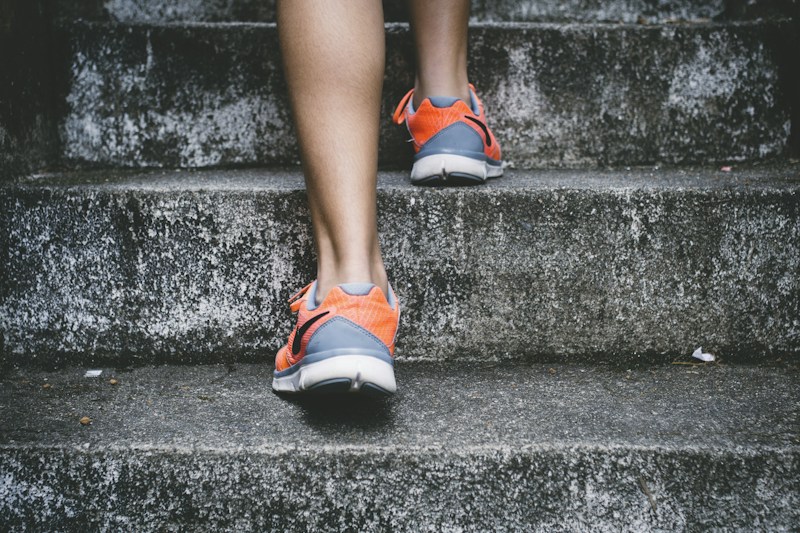
If there’s one exercise that was practically MADE for fasted training, it’s walking. Yes, humble, unglamorous walking.
When you exercise in a fasted state, your body has lower insulin levels and depleted glycogen stores. This means your body turns to fat as its primary fuel source. A study in the British Journal of Nutrition found that fasted walking can burn up to 20% more fat compared to walking after a meal.
But the magic of walking goes beyond fat burning:
- It’s low-intensity enough that it won’t spike cortisol (stress hormone)
- It doesn’t require recovery fuel, so you can keep fasting comfortably
- It improves insulin sensitivity, which pairs perfectly with IF’s metabolic benefits
- It’s sustainable — you can do it every single day without overtraining
Pro tip: A 30-45 minute brisk walk during your fasting window (ideally in the morning) is the sweet spot. Throw in some nature or a good podcast, and you’ve got yourself the perfect fasted workout.
Yoga and Mobility Work — The Mind-Body Fasting Companion

Fasting isn’t just a physical state — it’s a mental one too. And yoga is the perfect exercise to tap into both.
When you’re fasting, your body enters a state of heightened awareness. Many practitioners report feeling more focused and present during fasted yoga sessions. There’s actually science behind this: fasting increases the production of brain-derived neurotrophic factor (BDNF), which enhances focus and mental clarity.
Why yoga works so well with IF:
- Low to moderate intensity — won’t drain your energy reserves
- Promotes flexibility and joint health without requiring post-workout nutrition
- Activates the parasympathetic nervous system (rest and digest mode)
- Reduces cortisol levels, which can spike during prolonged fasting
- Improves digestion — great prep for your eating window
Best styles for fasting: Hatha yoga (gentle, perfect for mornings), Yin yoga (deep stretching, ideal for long fasts), and Vinyasa flow (moderate intensity, good for experienced fasters).
Avoid: Hot yoga (Bikram) while fasting. The combination of heat, intense movement, and no food is a recipe for dizziness and dehydration.
Strength Training — Yes, You Can Lift While Fasting
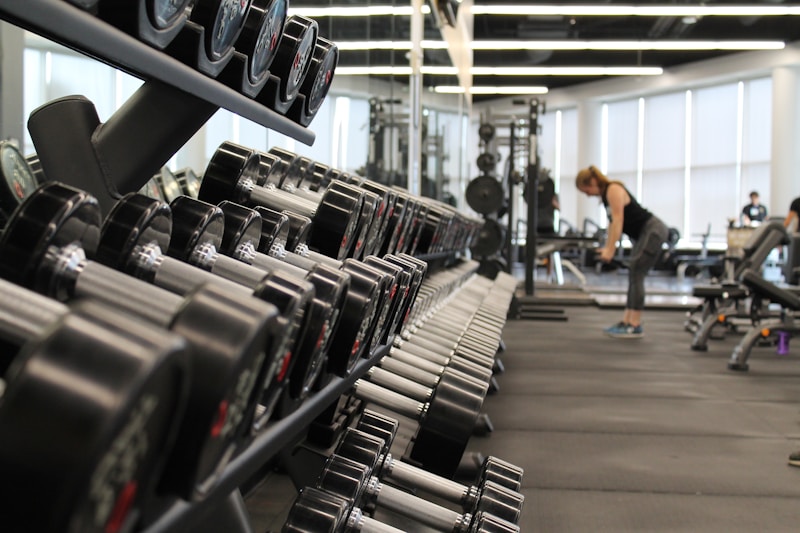
This is the big one. The question every gym-goer asks: “Can I lift weights while fasting?”
Short answer: Absolutely. But timing matters.
A 2016 study published in the Journal of Translational Medicine found that men who practiced time-restricted eating while following a resistance training program lost more fat while maintaining the same muscle mass as the non-fasting group. Read that again — same muscle, less fat.
The strategic approach:
- Schedule strength training near the END of your fasting window or at the BEGINNING of your eating window
- Eat a protein-rich meal within 1-2 hours after lifting
- The anabolic window lasts several hours — no need to chug a protein shake the second you finish
Fasted lifting tips:
- Keep sessions to 45-60 minutes
- Focus on compound movements (squats, deadlifts, bench press, rows)
- Stay hydrated — drink water with electrolytes if needed
- If you feel dizzy or weak, that’s your body telling you to eat. Listen to it.
- Don’t attempt 1-rep max lifts while fasted — save those for fed training days
The bottom line? Fasted strength training can work incredibly well for fat loss while preserving muscle — as long as you time your post-workout meal right.
Swimming — The Underrated Fasting Exercise
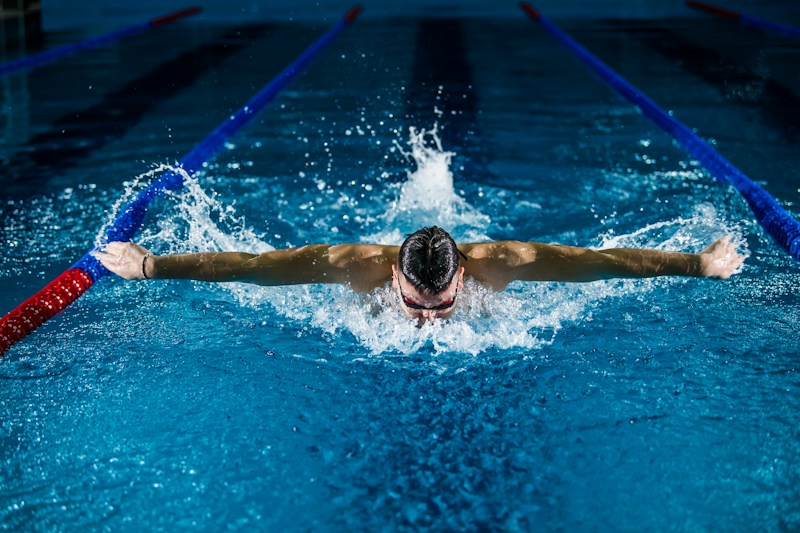
Swimming rarely gets mentioned in fasting workout guides, but it honestly deserves a spotlight.
What makes it special:
- Full-body workout with minimal joint impact
- Water keeps your body temperature regulated (no overheating risk)
- Burns significant calories without feeling as exhausting as land-based cardio
- The rhythmic nature of swimming can be meditative — similar to the mental benefits of fasted yoga
A study from the International Journal of Sports Medicine found that swimming in a fasted state increased fat oxidation significantly compared to fed swimming. The water environment also helps manage the perceived exertion, meaning you can exercise longer while fasting without feeling drained.
Best approach: Moderate-pace lap swimming for 20-40 minutes, avoid competitive sprints while fasted, hydrate well before and after, and try morning fasted swim sessions for best results.
One caveat: if you’re new to swimming AND new to fasting, don’t start both at the same time. Master one first, then combine them.
HIIT — Powerful but Proceed with Caution
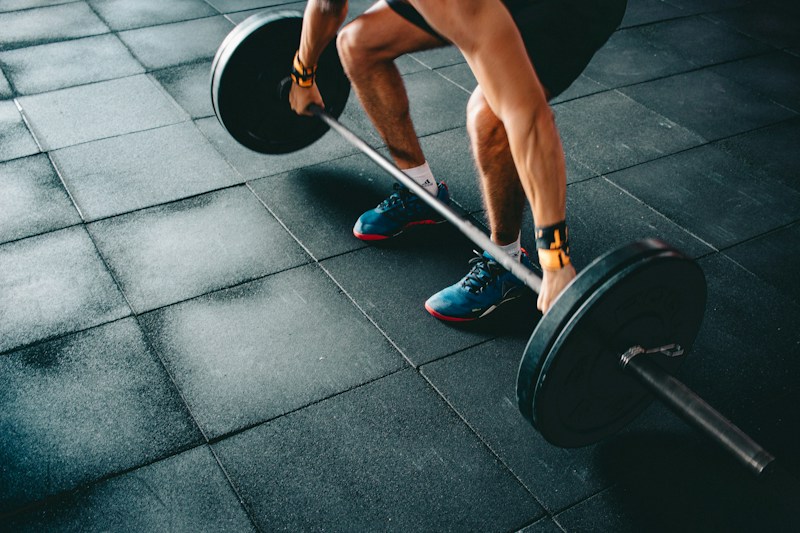
High-Intensity Interval Training (HIIT) and intermittent fasting — separately, they’re each metabolic powerhouses. Together? They CAN be incredible, but you need to be smart about it.
A 2019 study in the British Journal of Sports Medicine found that HIIT combined with fasting led to greater reductions in body fat percentage compared to HIIT alone. The key mechanism? Fasted HIIT maximizes EPOC (Excess Post-Exercise Oxygen Consumption), meaning your body continues burning calories at an elevated rate for hours after your workout.
But here’s the catch: HIIT is incredibly demanding on your nervous system and energy reserves. Doing it in a deeply fasted state (15+ hours without food) can lead to excessive muscle breakdown, cortisol spikes that actually promote fat storage, and dizziness or potential injury from fatigue.
The smart approach to fasted HIIT:
- Keep sessions SHORT — 15-20 minutes max
- Schedule it near the end of your fasting window so you can eat soon after
- Limit to 2-3 sessions per week (never daily while fasting)
- Choose bodyweight exercises over heavy loaded movements
- Have a protein-rich meal ready for immediately after
Bottom line: Fasted HIIT is a tool, not a daily habit. Use it strategically, and it can accelerate your results. Overdo it, and you’ll burn out fast.
Bonus Fact
Here’s something fascinating — exercising while fasted can actually boost autophagy, your body’s cellular cleanup process. Autophagy is one of the biggest benefits of fasting, where your body breaks down and recycles damaged cells. A 2019 study found that combining exercise with fasting amplified autophagy markers significantly more than either fasting or exercise alone. So when you work out during your fast, you’re not just burning fat — you’re literally helping your body take out the cellular trash. Think of it as spring cleaning for your cells.
Final Thoughts
The best workout for intermittent fasting isn’t about pushing harder — it’s about being smarter with your timing and intensity. Here’s your quick reference guide:
- Walking/light cardio → Anytime during fasting (the fasted MVP)
- Yoga/mobility → Morning fasted sessions (mind-body sweet spot)
- Strength training → End of fast or start of eating window (time your protein)
- Swimming → Morning fasted sessions (full-body, low-stress)
- HIIT → Near end of fasting window, 2-3x per week max (powerful but careful)
Remember: listen to your body, stay hydrated, time your most intense workouts near your eating window, and start gentle. The combination of intermittent fasting and the right exercise is one of the most powerful tools for body composition — work WITH your fasting schedule, not against it.
Now lace up those shoes (or unroll that yoga mat) and get moving. Your fasted body is ready.
Sources
- Schoenfeld, B.J. et al. (2014). “Body Composition Changes Associated with Fasted versus Non-Fasted Aerobic Exercise.” Journal of the International Society of Sports Nutrition.
- Moro, T. et al. (2016). “Effects of Eight Weeks of Time-Restricted Feeding on Basal Metabolism.” Journal of Translational Medicine.
- Vieira, A.F. et al. (2016). “Effects of Aerobic Exercise Performed in Fasted v. Fed State on Fat and Carbohydrate Metabolism.” British Journal of Nutrition.
- Tinsley, G.M. & La Bounty, P.M. (2015). “Effects of Intermittent Fasting on Body Composition and Clinical Health Markers.” Nutrition Reviews.
- He, C. et al. (2012). “Exercise-Induced BCL2-Regulated Autophagy Is Required for Muscle Glucose Homeostasis.” Nature.