Every night, you close your eyes, drift off, and essentially lose consciousness for 6 to 9 hours. Sounds simple, right? But while you’re blissfully unaware, your body is running one of the most complex maintenance operations in all of biology. We’re talking brain detox, temporary paralysis, growth spurts, and immune system overhauls — all happening in the dark while you dream about flying or showing up to work in your underwear.
Sleep isn’t just “rest.” It’s an active, highly orchestrated biological process that’s absolutely essential for your survival. In fact, you’d die from sleep deprivation before you’d die from starvation. Today, we’re exploring the wild, sometimes creepy, and always fascinating things your body does every single night while you’re out cold. Sweet dreams after this one — maybe.
1. Your Brain Literally Washes Itself Clean

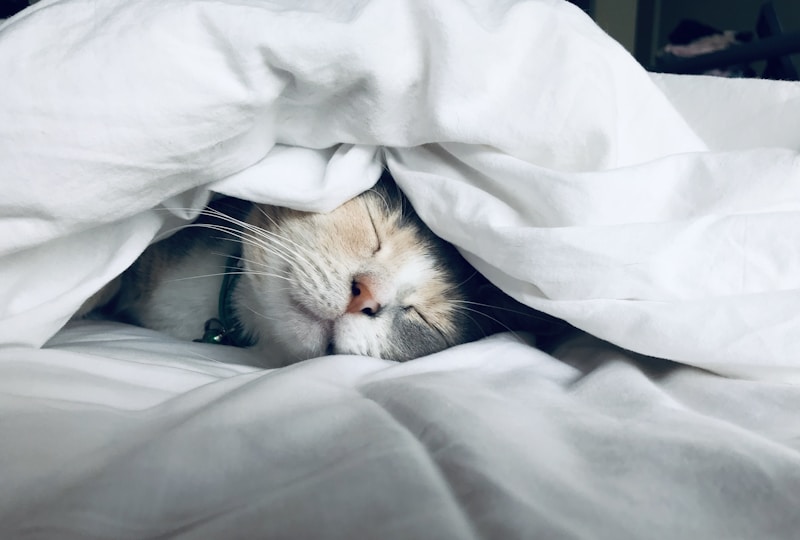
This is one of the most mind-blowing sleep discoveries of the last decade. While you sleep, your brain activates a cleaning system called the glymphatic system, which essentially power-washes your brain with cerebrospinal fluid. This fluid flows through channels between brain cells, flushing out toxic waste products that accumulate during waking hours.
One of the key toxins removed during this process is beta-amyloid — a protein strongly linked to Alzheimer’s disease. Studies show that the glymphatic system is up to 60% more active during sleep than when you’re awake. Your brain cells actually shrink by about 60% during sleep to create wider channels for this fluid to flow through. It’s like your entire brain infrastructure reorganizes itself just to take out the trash.
This is also why chronic sleep deprivation is so dangerous for long-term brain health. When you consistently don’t get enough sleep, these toxic proteins build up faster than your brain can clear them. Researchers now believe this may be one of the key mechanisms linking poor sleep to neurodegenerative diseases. Your nightly brain wash isn’t optional — it’s absolutely critical for keeping your mind sharp and healthy for decades to come.
2. Your Body Becomes Temporarily Paralyzed
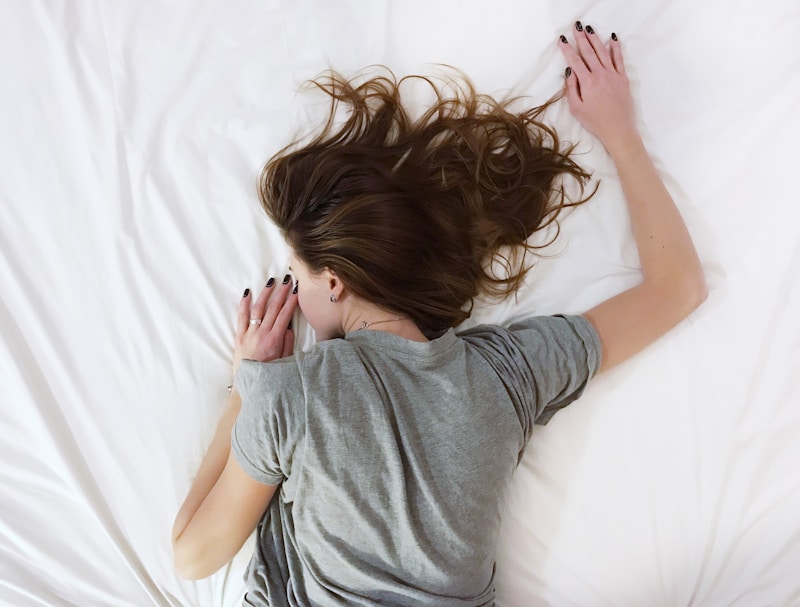
During REM sleep — the phase where most vivid dreaming occurs — your brain sends a signal that essentially shuts down voluntary muscle movement throughout your entire body. This condition is called sleep atonia, and it’s one of the most fascinating and slightly terrifying aspects of sleep.
Why does this happen? It’s actually a brilliant safety mechanism. Your brain is generating incredibly vivid dream scenarios — you might be running, fighting, flying, or dancing — and without this paralysis, you’d physically act out every single dream. Imagine thrashing around, kicking, punching, or trying to run while lying in bed. Sleep atonia prevents your dreams from becoming a nightly demolition derby in your bedroom.
The only muscles exempt from this paralysis are your diaphragm (so you keep breathing) and your eye muscles (hence “Rapid Eye Movement”). Occasionally, this system glitches — if the paralysis kicks in before you fully fall asleep or lingers after you wake up, you experience sleep paralysis. It only lasts seconds to minutes, but it can feel like an eternity. About 8% of the general population experiences this at least once in their lifetime.
3. You Actually Grow Taller Overnight

Here’s a fun one: every morning when you wake up, you’re genuinely about 1-2 centimeters taller than when you went to bed. By the end of the day, gravity, standing, and walking compress the cartilage discs between your vertebrae, squeezing out fluid and making you slightly shorter.
When you lie down to sleep, the pressure on your spine is relieved. Your intervertebral discs slowly reabsorb fluid and expand back to their original size throughout the night. This is why astronauts in space — where there’s no gravity constantly compressing their spines — can grow up to 2 inches (5 cm) taller during their missions. Back on Earth, your nightly height boost is more modest, but it’s very real.
This spinal decompression during sleep is also one of the reasons why sleep posture matters so much. A good mattress and proper sleeping position allow your spine to decompress naturally and evenly. Sleeping on your stomach, for example, can put extra strain on your lower back and limit this natural recovery process. Your spine literally needs its beauty sleep just as much as you do.
4. Your Immune System Launches a Full-Scale Repair Mission

While you’re sleeping, your immune system kicks into high gear. Your body ramps up production of cytokines — specialized proteins that target infection and inflammation. These cytokines are both produced and released during sleep, which is a big reason why you feel so sleepy when you’re sick. Your body is literally demanding more sleep so it can fight off whatever’s attacking you.
Sleep also boosts the production and activity of T-cells — the immune system’s elite soldiers that identify and destroy infected cells. A study published in the Journal of Experimental Medicine found that even a single night of poor sleep can reduce T-cell function by up to 70%. That’s not a typo — seventy percent. One bad night of sleep can slash your immune defense by more than two-thirds.
This is why “sleeping it off” when you’re sick isn’t just an old wives’ tale — it’s solid science. During deep sleep, your body produces growth hormone, which stimulates tissue repair and muscle growth. Your cells divide faster, proteins are synthesized more efficiently, and damaged tissues are rebuilt. Sleep is essentially your body’s nightly visit to the repair shop, and skipping it means all those repairs get backlogged.
5. Your Brain Replays and Reorganizes Your Entire Day
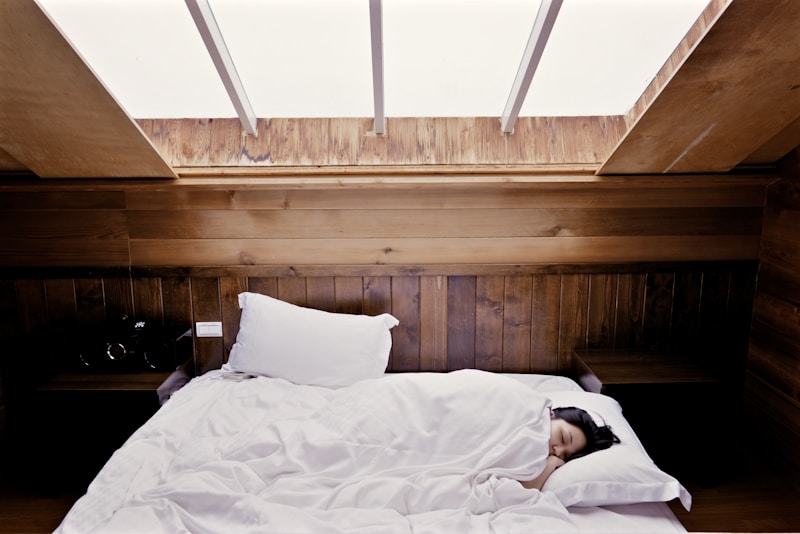
While you sleep, your brain is far from idle — it’s actually replaying and processing everything you experienced during the day. During deep sleep and REM phases, your hippocampus (the brain’s memory center) replays neural patterns from the day at up to 20 times their original speed. It’s like your brain is watching a fast-forward highlight reel of your entire day.
This replay process is how short-term memories get converted into long-term storage — a process called memory consolidation. Your brain sorts through the day’s experiences, deciding what to keep and what to discard. Important information and emotional experiences get strengthened and stored, while trivial details are gradually forgotten. It’s biological editing at its finest.
This is exactly why sleep is so critical for learning. Students who get a full night’s sleep after studying retain significantly more information than those who pull all-nighters. Research shows that sleep improves problem-solving ability by up to 33% and creative thinking by nearly 60%. Your brain isn’t just filing memories while you sleep — it’s making connections, finding patterns, and generating insights that your conscious mind missed during the day.
Bonus Facts for the Sleep-Obsessed
- Your sense of smell essentially shuts off during sleep. This is why smoke detectors exist — strong odors won’t wake you up. Your other senses remain partially active (especially hearing), but your olfactory system takes the night off.
- Your body temperature drops by about 1-2°F (0.5-1°C) during sleep, reaching its lowest point around 4-5 AM. This temperature dip is essential for initiating and maintaining deep sleep, which is why sleeping in a cool room (around 65°F / 18°C) dramatically improves sleep quality.
Final Thoughts
Sleep is far more than just downtime — it’s one of the most productive things your body does in any 24-hour period. From detoxing your brain to rebuilding your immune system, from consolidating memories to literally growing you taller, every minute of quality sleep is an investment in your health, your mind, and your future.
So the next time you feel guilty about sleeping in or going to bed early, remember this: your body has an incredibly important to-do list that it can only work through while you’re asleep. Seven to nine hours isn’t lazy — it’s maintenance. Your 37 trillion cells have a lot of work to do tonight. The least you can do is let them get to it.
Sources
- National Institutes of Health — The Glymphatic System and Brain Waste Clearance
- Harvard Medical School — Sleep, Learning, and Memory Consolidation
- Journal of Experimental Medicine — Sleep and Immune Function
- NASA — Spinal Changes in Microgravity Environments
- Sleep Foundation — Understanding REM Sleep and Sleep Atonia