It’s the great fitness debate that never dies: should you drag yourself out of bed at 6 AM to work out, or is it totally fine to hit the gym after work? Your early-bird friend swears morning workouts changed their life. Your night-owl coworker says evening sessions are superior.
So who’s right? Turns out, science has some genuinely surprising answers — and the “best” time might not be what you think. Let’s break it down.

1. Your Body Runs on a Clock — The Circadian Rhythm

Before we pick sides, let’s talk about the real MVP here: your circadian rhythm. It’s your body’s internal 24-hour clock, and it controls almost everything — hormone levels, body temperature, alertness, metabolism, and yes, physical performance.
Here’s the key: your body temperature naturally rises throughout the day, peaking in the late afternoon (around 4-6 PM). Higher body temperature means your muscles are warmer, more flexible, and reaction times are faster. Testosterone — crucial for muscle building — peaks in the morning. Cortisol, which helps mobilize energy, is also highest at dawn.
So your body is literally wired differently at different times of day. The question is: which wiring works better for YOUR goals?
2. Morning Workouts: The Early Bird Advantage

Morning exercisers, rejoice. Science has some real wins for you:
Fat burning on overdrive. A 2015 study published in the British Journal of Nutrition found that people who exercised before breakfast burned up to 20% more body fat compared to those who ate first. When you work out fasted in the morning, your glycogen stores are low, so your body taps into fat reserves for fuel.
Better consistency. Research from the Journal of Physiology shows that morning exercisers are significantly more likely to stick with their routine long-term. Makes sense — there are fewer scheduling conflicts at 6 AM than at 6 PM. No surprise happy hours or overtime derailing your plans.
Mood and focus boost. Morning exercise floods your brain with endorphins and serotonin right at the start of the day. Multiple studies show that people who work out in the morning report better mood, sharper focus, and more energy throughout the entire day.
Improved sleep. A study from Appalachian State University found that morning exercisers experienced deeper, longer sleep compared to afternoon or evening exercisers. Working out early helps reinforce your circadian rhythm, making it easier to fall asleep at night.
3. Evening Workouts: The Night Owl Power
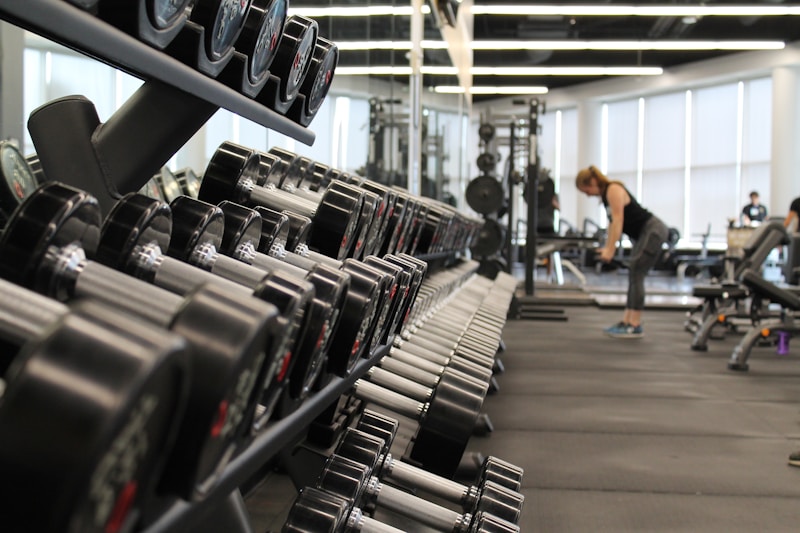
Not a morning person? Don’t worry. Evening workouts have some serious science-backed advantages too:
Peak physical performance. Your body temperature peaks in the late afternoon, which means your muscles are at their warmest and most flexible. Studies show that strength, power output, and reaction time are all 5-20% higher in the evening compared to the morning. If you’re chasing PRs, evening is your time.
Lower injury risk. Warmer muscles + better flexibility = fewer pulls, strains, and tears. Your joints are also more lubricated later in the day. This is especially important for high-intensity training or heavy lifting.
Stress relief after work. Had a terrible day at the office? An evening workout can be the ultimate stress eraser. Exercise reduces cortisol levels and triggers endorphins, turning a bad day into a manageable one. Many people find evening exercise is the perfect mental reset between work and personal life.
Higher endurance. Research shows your lungs function most efficiently in the late afternoon. Oxygen uptake is better, meaning you can sustain cardio activities longer and with less perceived effort.
4. What the Science Actually Says — The Big Studies

Let’s look at some key research that cuts through the noise:
- A 2022 study in Cell Metabolism found that morning exercise was better for boosting metabolism and fat oxidation, while evening exercise improved endurance and physical performance.
- A large-scale 2023 study in the British Journal of Sports Medicine, tracking 86,000+ participants, found that those who exercised between 11 AM and 5 PM had the lowest risk of heart disease and early death.
- For weight loss specifically, a Frontiers in Physiology study showed morning exercisers lost more weight over a 10-month period compared to evening exercisers, even with similar workout intensity.
- For muscle building and strength, evening wins. A study in Chronobiology International found significantly greater muscle gains when participants trained between 5-7 PM versus 6-8 AM.
The takeaway? Your goal determines your ideal time. Fat loss leans morning. Strength and performance lean evening. Heart health favors midday to afternoon.
5. So… Which One Should YOU Choose?

Here’s the honest truth that every exercise scientist will tell you: the best time to work out is the time you’ll actually do it consistently.
That said, here’s a quick cheat sheet:
- Want to burn fat? → Try fasted morning workouts
- Want to build muscle or hit PRs? → Train in the late afternoon/evening
- Want better sleep? → Morning exercise (but finish evening workouts 2+ hours before bed and you’ll be fine too)
- Struggle with consistency? → Morning, before life gets in the way
- Need stress relief? → Evening, as a buffer between work and rest
And here’s a pro tip: your body adapts. Research shows that if you consistently train at the same time — whether morning or evening — your body eventually optimizes performance for that window. Consistency beats timing, every single time.
Bonus Fact
Olympic records are disproportionately broken in the late afternoon and early evening. A review of athletic world records found that most peak performances occur between 4-7 PM. Your body is literally built to perform best during this window. But remember — those athletes also wake up and train in the morning. The best athletes use BOTH.
The Bottom Line
Morning and evening workouts aren’t competitors — they’re different tools for different goals. Morning exercise is your fat-burning, habit-building, sleep-improving powerhouse. Evening exercise is your strength-maximizing, flexibility-friendly, stress-busting weapon.
The real enemy isn’t the wrong time of day. It’s the couch. The best workout is the one that actually happens. So pick the time that fits YOUR life, show up consistently, and let your body do the rest.
Now stop reading and go move your body. Doesn’t matter what time it is.
Sources
- Gonzalez, J.T. et al. (2013). Breakfast and exercise contingently affect postprandial metabolism. British Journal of Nutrition, 110(4).
- Sato, S. et al. (2022). Atlas of exercise metabolism reveals time-dependent signatures of metabolic homeostasis. Cell Metabolism, 34(2).
- Guo, G. et al. (2023). Timing of exercise and all-cause mortality. British Journal of Sports Medicine, 57(2).
- Chtourou, H. & Souissi, N. (2012). The effect of training at a specific time of day. Journal of Strength and Conditioning Research, 26(7).