Ever had a “gut feeling” about something? Turns out, that phrase is way more literal than you think. Deep inside your belly, there’s an entire nervous system — sometimes called your “second brain” — that’s quietly running the show.
It has more neurons than your spinal cord, produces most of your body’s serotonin, and might even influence your mood and mental health. Welcome to the wildest neighborhood in your body: your gut.

1. Meet Your Second Brain — The Enteric Nervous System
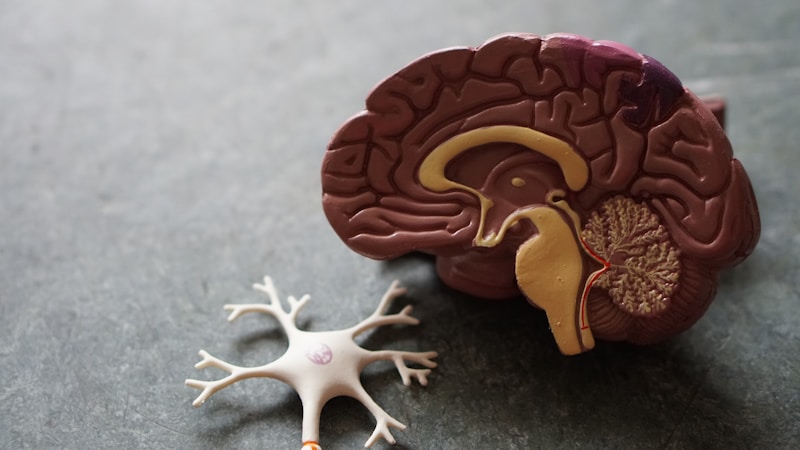
Your gut contains about 500 million neurons. That’s not a typo — five hundred MILLION. This network is called the enteric nervous system (ENS), and it lines your entire digestive tract from esophagus to… well, the other end.
Here’s the crazy part: your ENS can operate completely independently from your brain. It manages digestion, nutrient absorption, and waste elimination all on its own. Your brain doesn’t need to micromanage your gut — it’s basically a self-driving car for your digestive system.
Scientists have been so impressed by this system that they gave it the nickname “the second brain.” And honestly? It’s earned it.
2. Your Gut Makes You Happy (Literally)

Here’s a fact that might blow your mind: about 95% of your body’s serotonin — the “happy hormone” — is produced in your gut, not your brain.
Serotonin plays a huge role in regulating mood, sleep, appetite, and even bone health. So when you’re feeling anxious or down, it might not just be “all in your head.” It could literally be in your gut.
This gut-brain connection works through the vagus nerve, a superhighway of information running between your belly and your brain. It’s a two-way street: your brain sends signals to your gut (ever felt butterflies before a date?), and your gut sends signals right back to your brain.
3. 39 Trillion Tiny Roommates
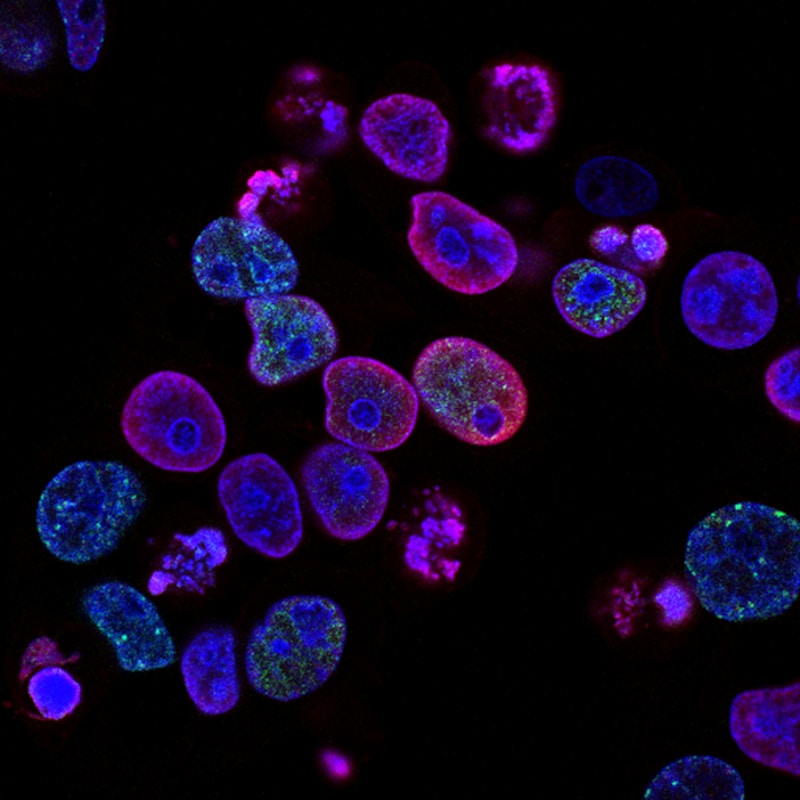
You’re never truly alone. Your gut is home to approximately 39 trillion microorganisms — bacteria, viruses, fungi, and more. Collectively called the gut microbiome, these tiny creatures outnumber your own human cells.
And they’re not just freeloading. Your gut microbes help you:
- Digest foods your body can’t break down alone
- Produce essential vitamins (like vitamin K and B12)
- Train your immune system to fight off bad guys
- Protect against harmful bacteria
Every person’s microbiome is unique — like a fingerprint, but inside your belly. Your diet, where you live, your pets, and even how you were born (C-section vs. natural birth) all shape your personal microbial community.
4. Your Gut Talks to Your Brain 24/7
The gut-brain axis isn’t just a fun science term — it’s a real, active communication system that never takes a day off. Research has shown that gut bacteria can influence:
- Your stress response
- Memory and learning
- Risk of depression and anxiety
- Even conditions like Parkinson’s disease
In one famous study, scientists transferred gut bacteria from bold, adventurous mice into timid, anxious mice. The result? The shy mice became more adventurous. Let that sink in — bacteria literally changed their personality.
This has opened up an exciting field called “psychobiotics” — using probiotics and diet changes to potentially treat mental health conditions. We’re not there yet, but the research is incredibly promising.
5. Feed Your Gut, Feed Your Brain

So how do you keep your second brain happy? It all comes down to what you feed it.
Foods that love your gut:
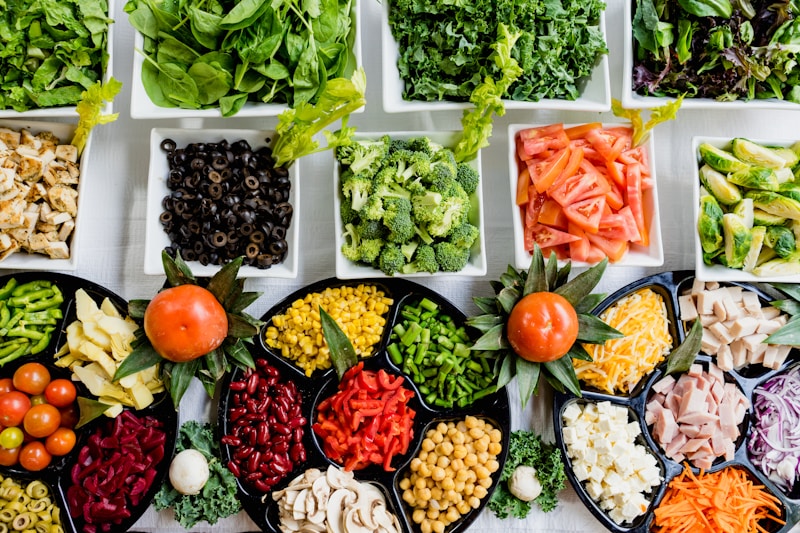
- Fermented foods: yogurt, kimchi, sauerkraut, kombucha
- High-fiber foods: beans, oats, bananas, asparagus
- Polyphenol-rich foods: dark chocolate, green tea, blueberries
- Omega-3 fatty acids: salmon, walnuts, chia seeds
Foods your gut would rather skip:
- Ultra-processed foods and fast food
- Artificial sweeteners (they can mess with gut bacteria)
- Excessive alcohol
- High-sugar diets
The diversity of your gut bacteria matters more than any single “superfood.” Eating a wide variety of plant-based foods is one of the best things you can do for your gut — and your brain.
Bonus Fact
Your gut produces over 30 neurotransmitters — the same chemical messengers your brain uses. Some researchers believe that gut health issues might be connected to conditions ranging from autism to Alzheimer’s. The field is still young, but it’s growing faster than ever.
The Bottom Line
Next time someone tells you to “trust your gut,” take it literally. That incredible ecosystem in your belly is working around the clock to keep you healthy, happy, and alive. It’s not just processing your lunch — it’s influencing your mood, protecting your health, and communicating with your brain every single second.
Your gut isn’t just smart. It might be the most underrated organ system in your entire body. Take care of it, and it’ll take care of you.
Sources
- Furness, J.B. (2012). The enteric nervous system and neurogastroenterology. Nature Reviews Gastroenterology & Hepatology.
- Yano, J.M. et al. (2015). Indigenous bacteria from the gut microbiota regulate host serotonin biosynthesis. Cell.
- Sender, R., Fuchs, S., & Milo, R. (2016). Revised estimates for the number of human and bacteria cells in the body. Cell.
- Cryan, J.F. & Dinan, T.G. (2012). Mind-altering microorganisms: the impact of the gut microbiota on brain and behaviour. Nature Reviews Neuroscience.