
You know the feeling. You’re lying in bed, finally drifting off after a long day. Your thoughts are getting fuzzy, your body is relaxing, and then — BAM. Your whole body jerks violently, and you’re suddenly wide awake with your heart racing.
Maybe you dreamed you were falling off a cliff. Maybe your leg kicked out like it had a mind of its own. Maybe you just felt a sudden electric jolt through your entire body.
Congratulations, you’ve just experienced a hypnic jerk — and you’re not alone. Up to 70% of people experience these involuntary muscle twitches regularly. But why does your body do this right when you’re trying to sleep? The answer involves your brain, your nervous system, and possibly millions of years of evolution.
What Exactly Is a Hypnic Jerk?

A hypnic jerk (also called a hypnagogic jerk or sleep start) is an involuntary muscle contraction that happens during the transition from wakefulness to sleep. It typically occurs during Stage 1 of NREM sleep — that drowsy, half-awake phase where you’re not quite asleep but not fully conscious either.
These jerks can range from mild twitches in a single finger to full-body jolts that literally throw you upright in bed. They often come with:
- A sensation of falling or tripping
- A sudden flash of light or a loud bang inside your head
- A brief dream-like hallucination (usually involving falling)
- A rapid heartbeat that takes a few seconds to calm down
The whole event lasts less than a second, but it can feel dramatically longer because of the surge of adrenaline that follows. And if you’ve ever kicked your partner in the middle of the night because of one, you know they can be surprisingly powerful.
The Leading Theories — Why Does Your Brain Do This?
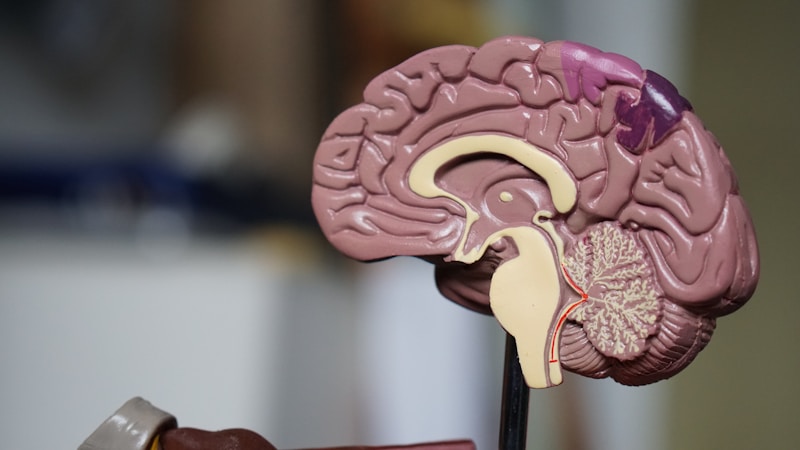
Here’s the honest truth: scientists don’t know exactly why hypnic jerks happen. But there are several compelling theories, and they’re all fascinating.
Theory 1: The Brain Misreads Relaxation as Falling
As you fall asleep, your muscles progressively relax. Your brain’s motor system is supposed to gradually shut down during this transition. But sometimes, the brain misinterprets this sudden muscle relaxation as a signal that you’re actually falling.
In response, it fires off a rapid muscle contraction to “catch” you — essentially an emergency reflex to prevent a fall that isn’t actually happening. This would explain why so many people report a vivid sensation of falling right before the jerk.
Theory 2: An Evolutionary Holdover
Some researchers believe hypnic jerks are a leftover from our primate ancestors. When early humans (or pre-humans) slept in trees, muscle relaxation during sleep could literally be deadly — relaxing too much could mean falling out of the tree.
The hypnic jerk may have evolved as a safety check: a quick jolt to test whether your body is in a safe position before fully surrendering to sleep. Even though most of us sleep in beds now, our brains may still be running this ancient “tree safety” program.
Theory 3: Neural Misfires During the Handoff
Your brain doesn’t have a single “sleep switch.” Instead, falling asleep involves a complex handoff between your reticular activating system (which keeps you awake) and your ventrolateral preoptic area (which promotes sleep). During this transition, there can be brief moments of conflict where both systems are active simultaneously.
Hypnic jerks may simply be the neurological equivalent of a glitch — random motor neurons firing during the messy transition between wakefulness and sleep. It’s like your brain’s Wi-Fi briefly dropping while switching between two networks.
What Makes Hypnic Jerks Worse?

While hypnic jerks are normal and happen to almost everyone, certain factors can make them more frequent and more intense:
- Caffeine: Stimulants keep your nervous system on high alert, making it harder for your brain to smoothly transition into sleep. That late afternoon coffee might be the reason you jerked awake at midnight.
- Stress and anxiety: When your mind is racing, your brain has a harder time letting go of wakefulness. The more anxious you are, the more likely your brain is to “misfire” during the transition.
- Sleep deprivation: Ironically, being overtired can make hypnic jerks worse. When you’re exhausted, your brain tries to fall asleep faster, which can cause a rougher transition with more jerks.
- Intense evening exercise: Working out too close to bedtime keeps your nervous system activated. Your muscles are still fired up when you’re trying to wind them down.
- Uncomfortable sleep position: If your body doesn’t feel secure or stable, your brain may be more likely to trigger a “safety check” jerk.
The common thread? Anything that makes the wake-to-sleep transition less smooth increases the likelihood of a hypnic jerk. Your brain wants a clean, gradual handoff — and when it doesn’t get one, glitches happen.
Are Hypnic Jerks Dangerous? Should You Worry?

The short answer: no. Hypnic jerks are completely normal and harmless. They’re not a sign of any neurological disorder, sleep disorder, or underlying health problem.
However, there are a few situations where you might want to talk to a doctor:
- If the jerks are so frequent that they’re seriously disrupting your sleep every night
- If they’re accompanied by other symptoms like daytime muscle twitching, numbness, or tingling
- If you’re also experiencing excessive daytime sleepiness or other sleep problems
In extremely rare cases, frequent nocturnal jerks could be related to conditions like periodic limb movement disorder (PLMD) or restless leg syndrome (RLS), which are treatable. But for the vast majority of people, hypnic jerks are just a quirky feature of the human sleep experience.
Bonus Fact
Here’s something wild: babies experience hypnic jerks way more often than adults. Newborns and infants have immature nervous systems, so the wake-to-sleep transition is much messier for them. If you’ve ever watched a sleeping baby’s arms suddenly fling out, that’s likely a hypnic jerk. Some researchers think these frequent jerks actually help babies’ developing brains map out their motor systems — essentially, their brains are learning which muscles are connected where.
Final Thoughts

That annoying jolt that wakes you up right as you’re falling asleep is actually one of the most universal human experiences. Nearly everyone gets them, they’re completely harmless, and they might even be an evolutionary gift from your tree-dwelling ancestors.
The best ways to reduce hypnic jerks? Cut the caffeine after noon, manage your stress, keep a consistent sleep schedule, and avoid intense exercise right before bed. But honestly? They’re a perfectly normal part of being human.
Next time your body jolts you awake, just smile and think: your brain is still running a million-year-old safety program, and it’s got your back — even when you don’t need it.
Sources
- Oswald, I. (1959). Sudden bodily jerks on falling asleep. Brain.
- Sander, H.W., Geisse, H., & Quinto, C. (1998). Sensory sleep starts. Journal of Neurology.
- National Sleep Foundation — Hypnic Jerks Overview
- Salas, R.E., et al. (2014). Sleep starts and hypnagogic hallucinations. Current Treatment Options in Neurology.
- Cleveland Clinic — Sleep Myoclonus